
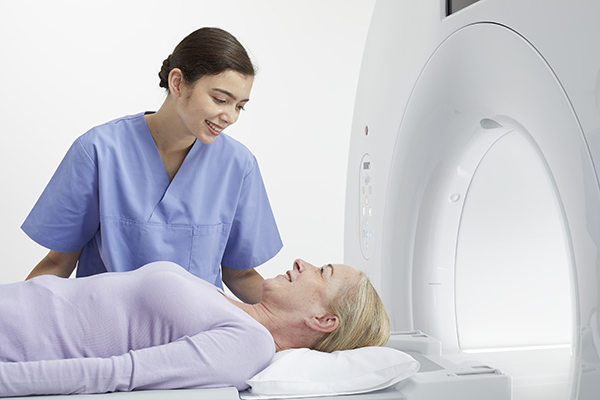
Radiology is at the forefront of a technological shift. Artificial intelligence (AI) and other new tools promise to make imaging more accurate, more efficient and easier to access, improving patient care.
AI in radiology
AI can automate routine tasks and assist with complex analysis. Machine-learning algorithms can be trained to recognize patterns in medical images, such as tumors, fractures and infections, and act as a second set of eyes for the radiologist.
AI can also sort through large volumes of images quickly and flag areas for the radiologist to review first. That speeds up diagnosis and gives radiologists more time for the complex cases that need their expertise.
Other emerging technologies
- 3D printing: precise anatomical models built from imaging data help surgeons plan operations and help patients understand them.
- Virtual and augmented reality: immersive views of complex anatomy are useful for training and for explaining conditions to patients.
- Telemedicine: radiologists can read studies and consult with colleagues remotely, which improves access in underserved areas.
- Wearable devices: continuous health data, combined with AI, may flag early warning signs that prompt timely imaging.
Challenges and considerations
- Data privacy: AI needs large image datasets, which raises questions about patient privacy and data security.
- Bias: algorithms that are not carefully designed and validated can carry existing biases into care.
- Regulation and liability: new tools must meet regulatory standards and clarify responsibility when errors occur.
Conclusion
AI and emerging technologies will expand what radiologists can do and make diagnosis faster and more accurate. Using them responsibly means addressing privacy, bias and safety along the way.
Continuous education and collaboration among radiologists, technologists and policymakers will be essential to put these advances to work for patients.
This article is general information and not medical advice. Talk with your healthcare provider about your own situation.